
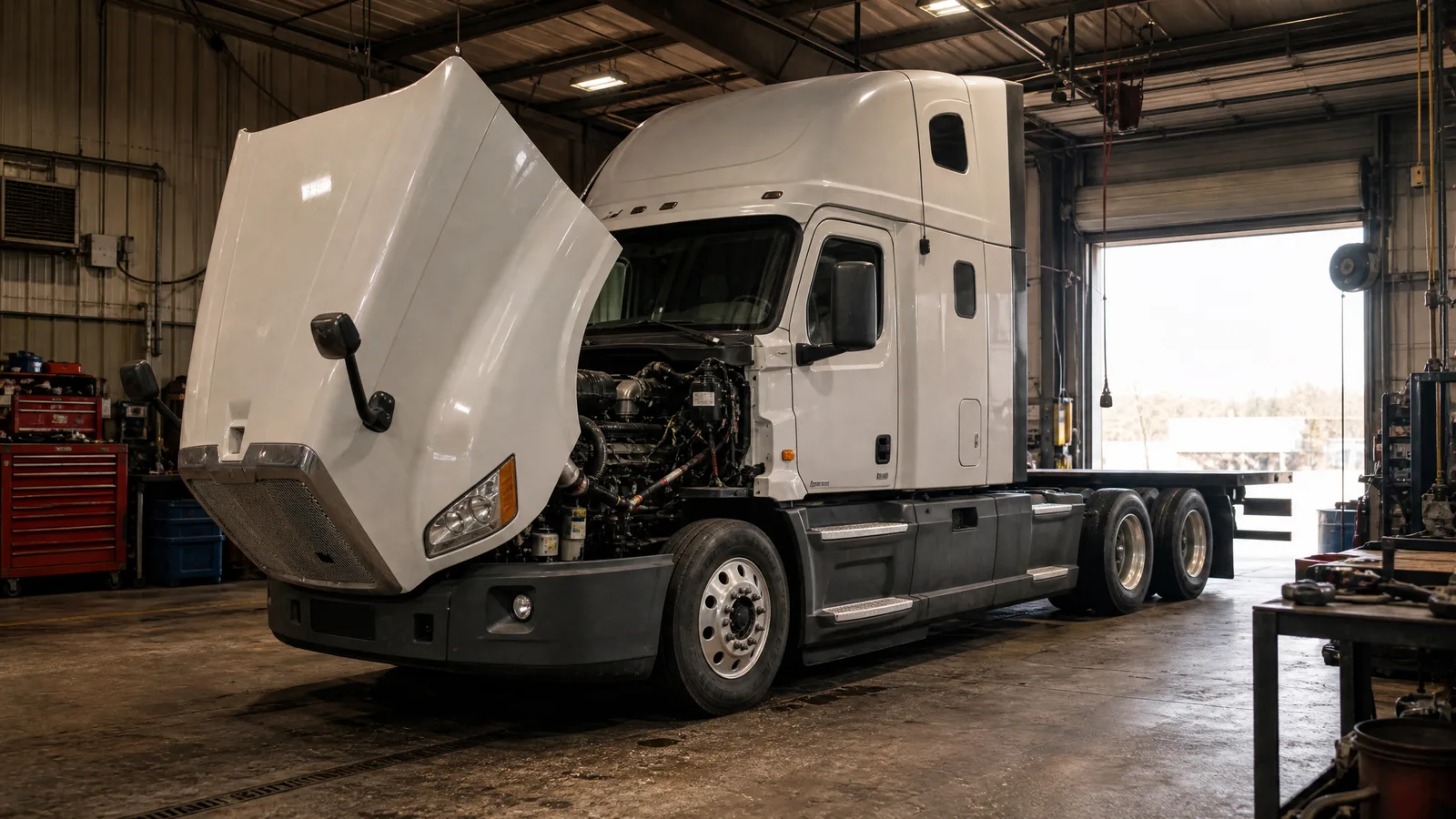
What Physical Damage Coverage Is
Physical damage coverage pays to repair or replace your own truck (and sometimes your trailer) after a covered loss. It is separate from commercial auto liability, which pays for damage you cause to others. Physical damage protects you, the operator, against the cost of repairing or replacing your equipment.
Physical damage has two components: collision and comprehensive. Most operators carry both. The two together provide complete coverage for almost any cause of damage to the truck.
Collision vs. Comprehensive
| Coverage | What It Covers |
|---|---|
| Collision | Accidents involving the truck, including impact with another vehicle, impact with a stationary object, and upset (rollover) |
| Comprehensive (other than collision) | Theft, fire, vandalism, weather damage (hail, flood, hurricane), falling objects, animal strikes, glass breakage |
Operators usually carry both because most accidents and losses fall into one or the other. Some operators with older trucks carry only comprehensive (skipping collision) because the cost of comprehensive is lower and major weather events can still produce total losses on paid-off trucks.
When Physical Damage Is Required
Physical damage is contractually required in two main situations:
- Financed or leased trucks. Lenders require physical damage as a condition of the loan. The lender is listed as a lienholder on the policy and any claim payment goes to the lender first. If you finance a truck, skipping physical damage puts you in default on the loan.
- Some shipper or contract requirements. Some major shippers and brokers require operators to carry physical damage on the truck as part of their qualification. Less common, but it happens with high-value freight contracts.
Physical damage is technically optional for paid-off trucks under no contract requirements. Most operators still carry it because the cost of replacing a truck out of pocket after a total loss is significant.
Deductible Options
Common physical damage deductibles range from $1,000 to $10,000. The deductible affects the premium:
- $1,000 deductible. Highest premium. Used by operators who want minimal out-of-pocket exposure on a claim.
- $2,500 deductible. Mid-range. Common for newer operators and higher-value trucks.
- $5,000 deductible. Lower premium. Common for established operators with cash reserves.
- $10,000 deductible. Lowest premium for standard policies. Requires operator to have substantial cash reserves to handle claims out of pocket.
- Separate hail or storm deductibles. Some policies in hail-prone areas (DFW) use higher deductibles for hail-specific claims while maintaining lower deductibles for collision.
Raising your deductible lowers the physical damage premium, and the saving is real. It is only useful if you can absorb the higher deductible from cash reserves.
Actual Cash Value vs. Stated Value vs. Agreed Value
The valuation method on a physical damage policy determines how much the insurer pays at total loss:
- Actual Cash Value (ACV). Pays depreciated market value at the time of loss. The standard valuation for most commercial auto policies. Uses NADA, JD Power, or similar guides to determine value.
- Stated Value. Operator declares a value at policy inception. Insurer pays the lesser of stated value or ACV at loss. Often used by operators who want to set a value floor but are willing to accept ACV if it is higher.
- Agreed Value. Both operator and insurer agree to a specific value at policy inception. Insurer pays the agreed value at total loss without depreciation. More expensive but provides predictable payouts. Often used for high-value or specialty equipment.
How Much Does Physical Damage Cost?
Physical damage is rated as a percentage of the insured value of your truck and trailer, so it scales with what your equipment is worth and the deductible you choose. Operating profile and weather exposure move it too. See our cost guide for sourced figures.
| Truck Value | Effect on premium |
|---|---|
| Under $50,000 | Lowest premium. On an older paid-off truck, weigh the premium against the payout you would actually receive. |
| $50,000 to $100,000 | Mid range. The typical band for a used tractor still under finance. |
| $100,000 to $200,000 | Higher. Lenders require coverage at this value, so the deductible is your main lever. |
| Over $200,000 | Highest. New tractors carry both a high insured value and expensive sensor and ADAS repairs. |
Texas operators in hurricane and hail exposure zones (Gulf Coast counties, DFW) pay more for physical damage than operators in lower-exposure parts of the state, because the comprehensive portion carries the weather risk.
When to Drop Physical Damage on an Older Truck
On older paid-off trucks, the math can shift toward dropping physical damage. The decision involves:
- Truck value. If the truck is worth $20,000 and you have a $5,000 deductible, your maximum claim payout is $15,000.
- Annual premium. Compare a full year of physical damage premium against your maximum claim payout, which is the truck's actual cash value minus the deductible. When the premium starts approaching a meaningful share of that payout, the coverage is losing its value.
- Years until breakeven. Divide your maximum claim payout by the annual premium your agent quotes. If the answer is only a few years and the truck is unlikely to be totaled in that window, dropping coverage saves money.
- Weather and theft exposure. Comprehensive-only coverage (skipping collision) can be a middle path for older trucks in hurricane or hail zones.
- Replacement cost. Could you actually replace the truck out of pocket if it were totaled tomorrow? If not, the coverage is still valuable regardless of the math.
Talk to your agent before dropping any coverage. Weather risks (hurricane, hail) can produce a total loss claim that justifies keeping at least comprehensive coverage even on older trucks.
Related Coverage Resources
- Commercial Auto Liability
- Motor Truck Cargo Insurance
- General Liability for Trucking
- Commercial Truck Insurance Cost Guide
Find an agent who can quote physical damage with the right deductibles and valuation method for your truck and operation.