
What Is Bobtail Insurance?
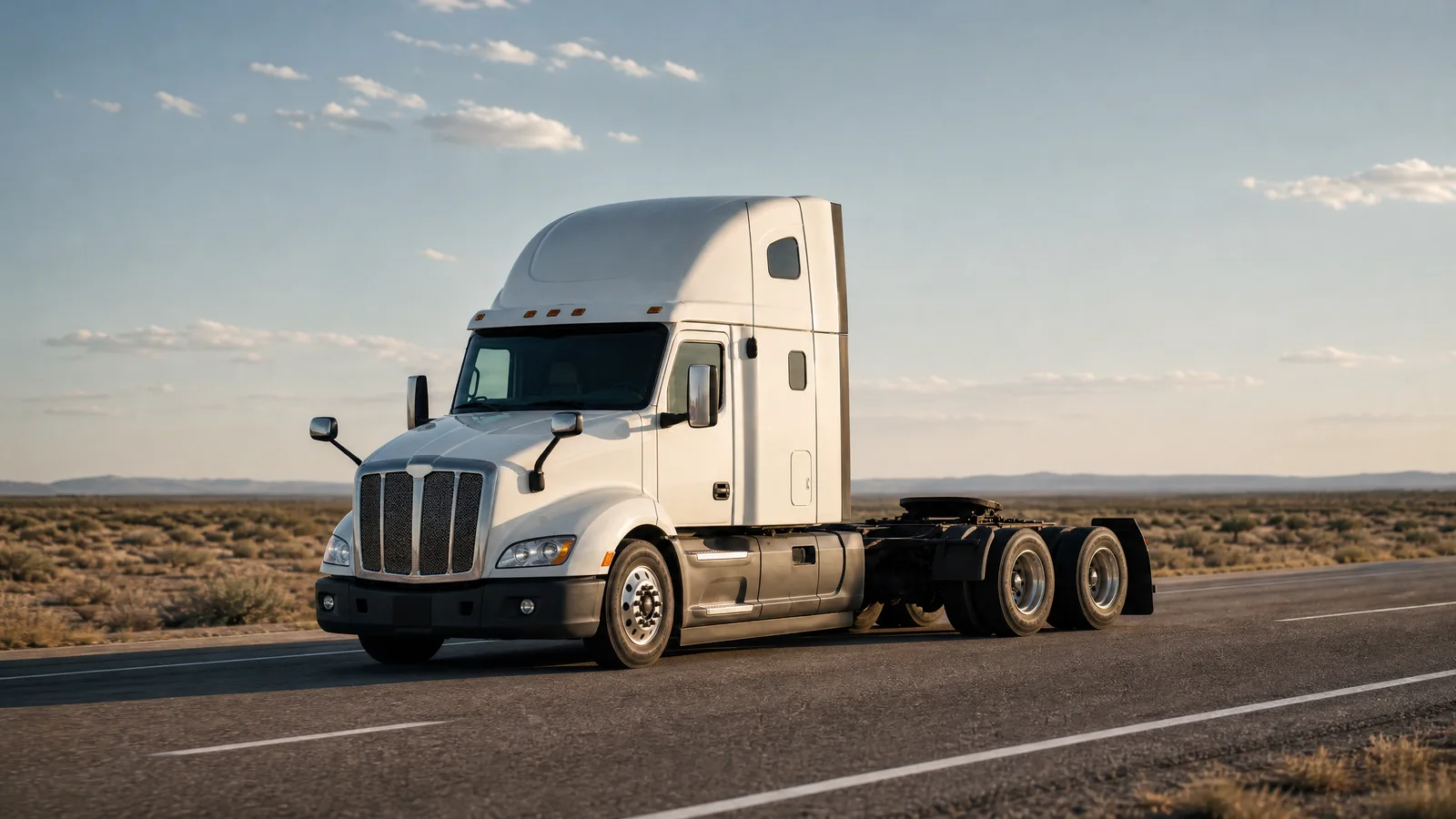
Bobtail insurance is a liability policy that covers a tractor when it is being driven without a trailer attached. The term "bobtail" comes from the industry slang for a Class 8 tractor running solo, no trailer hooked up. Bobtail insurance pays for bodily injury and property damage you cause to others during those trips.
Bobtail is most often purchased by leased owner-operators. The reason is structural: when you are leased to a motor carrier, that carrier's primary commercial auto liability covers the tractor while you are pulling their trailer. The moment the trailer is dropped, some carriers' policies stop applying or apply with reduced limits. Bobtail closes that gap.
Bobtail is liability-only. It covers what you do to other people. It does not cover damage to your tractor (that is physical damage coverage), the cargo (that is cargo insurance), or personal use of the truck off dispatch (that is non-trucking liability).
When Bobtail Coverage Applies
The defining feature of a bobtail trip is that there is no trailer attached. The driver can be on dispatch or between dispatches. The trip can be for the carrier's benefit, your benefit, or both. The policy applies as long as the tractor is being driven without a trailer.
Examples of trips bobtail typically covers:
- Driving from a delivery location to pick up the next loaded trailer
- Heading to a maintenance shop for service
- Repositioning between terminals or yards
- Dropping a trailer at a customer site and driving the tractor to a truck stop
- Returning to your home base after dropping the last trailer of the week
Examples of situations that fall outside bobtail (and where you need different coverage):
- Driving with a trailer attached: covered by the carrier's primary auto liability
- Personal use of the tractor on a day off: covered by non-trucking liability
- Damage to the tractor itself: covered by physical damage
- Damage to the freight: covered by cargo insurance
Who Needs Bobtail Insurance?
Bobtail is built for the leased operator model. The most common scenarios:
- Leased owner-operators whose lease agreement requires bobtail coverage. The motor carrier wants this in place so its own policy is not exposed during non-revenue trips.
- Drivers in trip-lease arrangements who are temporarily leased to multiple carriers and need consistent bobtail coverage across all of them.
- Operators with frequent deadhead miles between loads, where they spend significant time on the road without a trailer.
Operators who run under their own FMCSA operating authority generally do not need a separate bobtail policy. Their primary commercial auto liability covers the tractor at all times, whether a trailer is attached or not. If you are unsure which category you fall in, see our guide to owner-operator insurance for the full breakdown.
How Much Does Bobtail Insurance Cost?
Bobtail is one of the lower-cost coverages on a leased operator policy, because it covers a narrow slice of driving: the tractor with no trailer attached. What moves the price is your driving record, the tractor's value, your garaging location, and the liability limit you carry. See our cost guide for sourced figures.
What drives bobtail pricing:
- Liability limit: $1 million is the most common limit. Higher limits cost more. Some lease agreements require specific minimums.
- Driver record: Your MVR matters. Recent violations or accidents push the premium up.
- Years of experience: Drivers with longer clean histories generally get better rates.
- Tractor value and age: Newer, more expensive tractors can affect pricing even though the policy is liability-only.
- Operating area: Where you typically drive (urban vs. rural, regional vs. OTR) factors in.
- Carrier you are leased to: Some insurers consider the safety record of the motor carrier when pricing the policy.
- Bundling: Buying bobtail alongside non-trucking liability and physical damage often gets you a small package discount.
What Bobtail Insurance Does Not Cover
Bobtail policies are narrowly written. The exclusions are as important as the coverage. Bobtail does not pay for:
- Damage to your own tractor. You need physical damage coverage for that.
- Cargo damage. Bobtail trips by definition have no cargo, but if a claim does involve cargo (an unexpected scenario), bobtail will not respond.
- Personal use accidents. If you take the tractor to dinner with your family, that is non-trucking liability territory.
- Driving while under load. Bobtail only applies when the trailer is detached.
- Other drivers not listed on the policy. Most bobtail policies only cover the named operator. Lending the truck to a friend can void coverage.
- Use under another carrier's authority. If you bobtail under a carrier the policy does not list, the claim can be denied.
Bobtail vs. Non-Trucking Liability: Which One Do You Need?
Bobtail and non-trucking liability are often discussed together because they both fill gaps in a leased operator's coverage. They are not the same policy and they are not interchangeable.
| Feature | Bobtail | Non-Trucking Liability |
|---|---|---|
| Trailer attached? | No (defining feature) | Either |
| Under dispatch? | Can be either | No (must be off dispatch) |
| Typical use case | Between loads, to maintenance | Personal errands, going home |
| Required by carrier? | Often | Often |
| Relative cost | Among the least expensive coverages on the policy | Among the least expensive coverages on the policy |
Many leased operators carry both. Some carriers require one but not the other. Read your lease agreement. If you are not sure what your carrier requires, ask their safety or recruiting department for the specific insurance language. For a deeper comparison, see our bobtail vs. non-trucking liability guide.
How to Get Bobtail Insurance
Most leased operators buy bobtail through a commercial truck insurance agent who specializes in leased operator programs. Some carriers offer in-house bobtail through a payroll-deduct arrangement. Both options are valid; compare the cost and coverage before you commit.
Steps to get bobtail coverage:
- Check your lease agreement. The insurance section will specify the required liability limit and any specific carrier programs you are required to use.
- Gather your information. Agents will need your CDL, MVR, the tractor VIN, the lease agreement (or carrier name), and your typical operating radius.
- Get quotes from agents who write leased operator policies. Bobtail is a niche product. Not every agent works with this market. Find an agent who specializes in leased operator coverage.
- Compare bundle options. Most agents offer bobtail bundled with non-trucking liability and physical damage. Bundles are often cheaper than separate policies.
- Bind the policy and send the COI to your carrier. Your motor carrier will keep your certificate of insurance on file as proof of coverage.
Bobtail in Texas
Texas has a large leased operator population because of the state's role as a freight hub. Major carriers run dispatch out of Dallas, Houston, San Antonio, and Laredo, and they all rely on leased operators to move freight. Texas has no special bobtail rules at the state level, but the I-35 corridor (Laredo to Dallas-Fort Worth) and the I-10 corridor (El Paso to Houston) are high-traffic lanes where claims can be expensive due to litigation environment and medical cost levels.
For more on the Texas market, see our Texas commercial trucking insurance overview or the Texas truck insurance requirements guide.